Our Story
Nikamika Publication was born from a mother's love—and a shared worry.
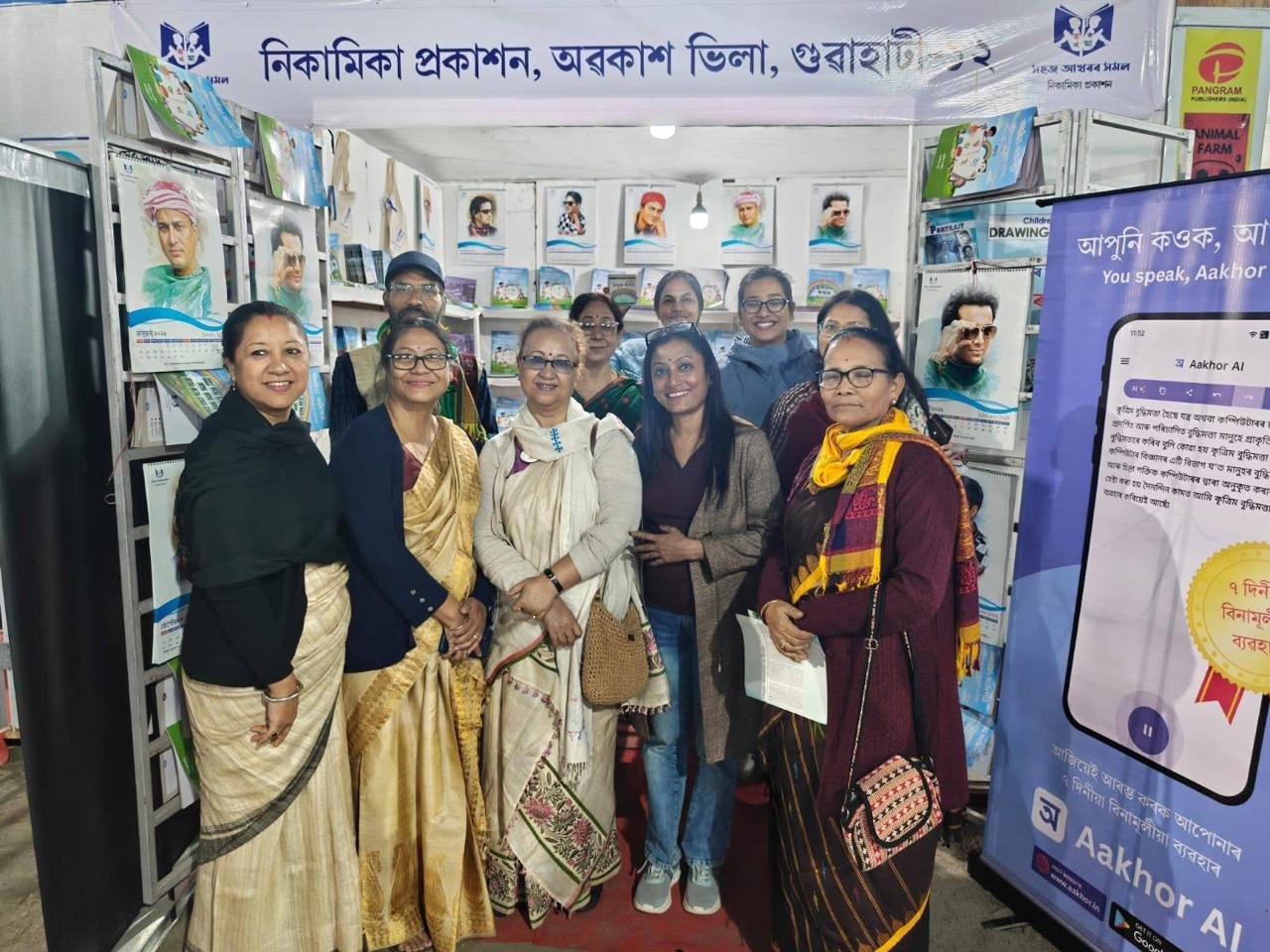
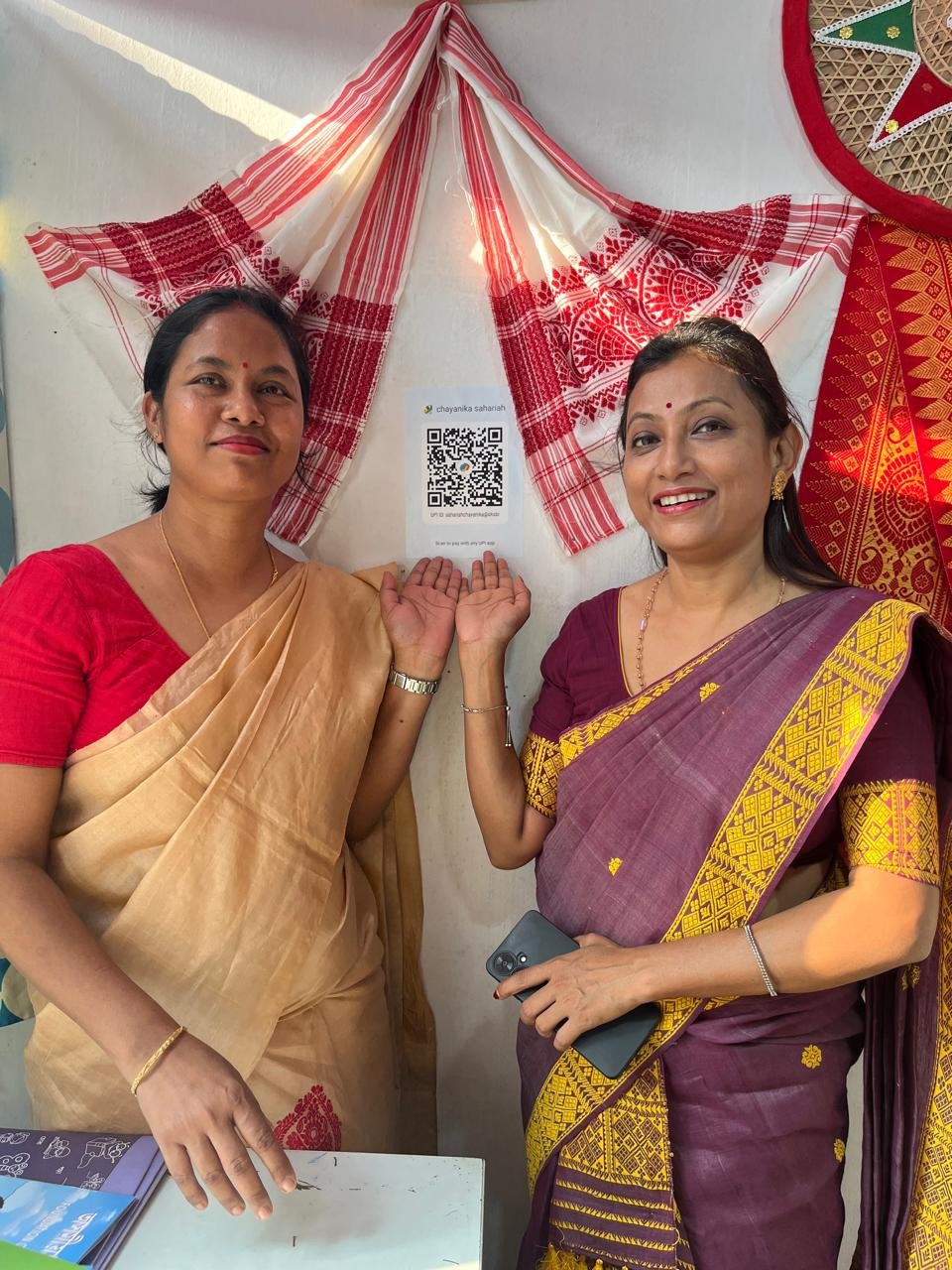
We are Chayanika Sahariah, a teacher by profession, and Anamika Nath, a singer by profession. Like countless mothers across Assam, we wanted our children to grow up fluent in their mother tongue, to feel at home in Assamese the way generations before them had. But what we saw around us troubled us deeply.
Our children could sing Assamese songs, recite poems, and perform in plays—yet they struggled to write the simplest words in Assamese. We witnessed children writing "মৰ মৰ" instead of "মৰমৰ." We watched young minds who could speak Assamese beautifully stumble when it came to reading or writing it. The disconnect was painful, and it was everywhere.
We searched every bookstore, book fair, and online marketplace for engaging Assamese learning materials. We came back empty-handed. That emptiness became our starting point.


Why We Started
In Assam today, a quiet crisis is unfolding. In most English-medium schools, children learn "A, B, C, D" before they ever meet "অ, আ, ক, খ." Some schools in the heart of Guwahati even claim that Assamese is merely a "third language," prioritizing English and Hindi in the crucial early years. Meanwhile, dictation and reading assessments—standard practice for English—are largely absent for Assamese in primary education.
If children don't learn to listen to and speak their mother tongue correctly from the very beginning, how will they ever learn to write it correctly?
We refused to accept that our children's earliest years should be limited to 26 English letters while the rich tapestry of Assamese—its vowels, consonants, signs, and compound letters—waited in the shadows.
What We Believe

At Nikamika, we believe language is the foundation of identity.
Our philosophy is simple but deliberate: a child must first master অ-ফলা (vowel charts) and ক-ফলা (consonant charts) before tackling the signs and compound letters built upon them. A child cannot truly understand words and sentences built with compound letters without first knowing those compound letters intimately.
This is why our books are structured progressively:
-
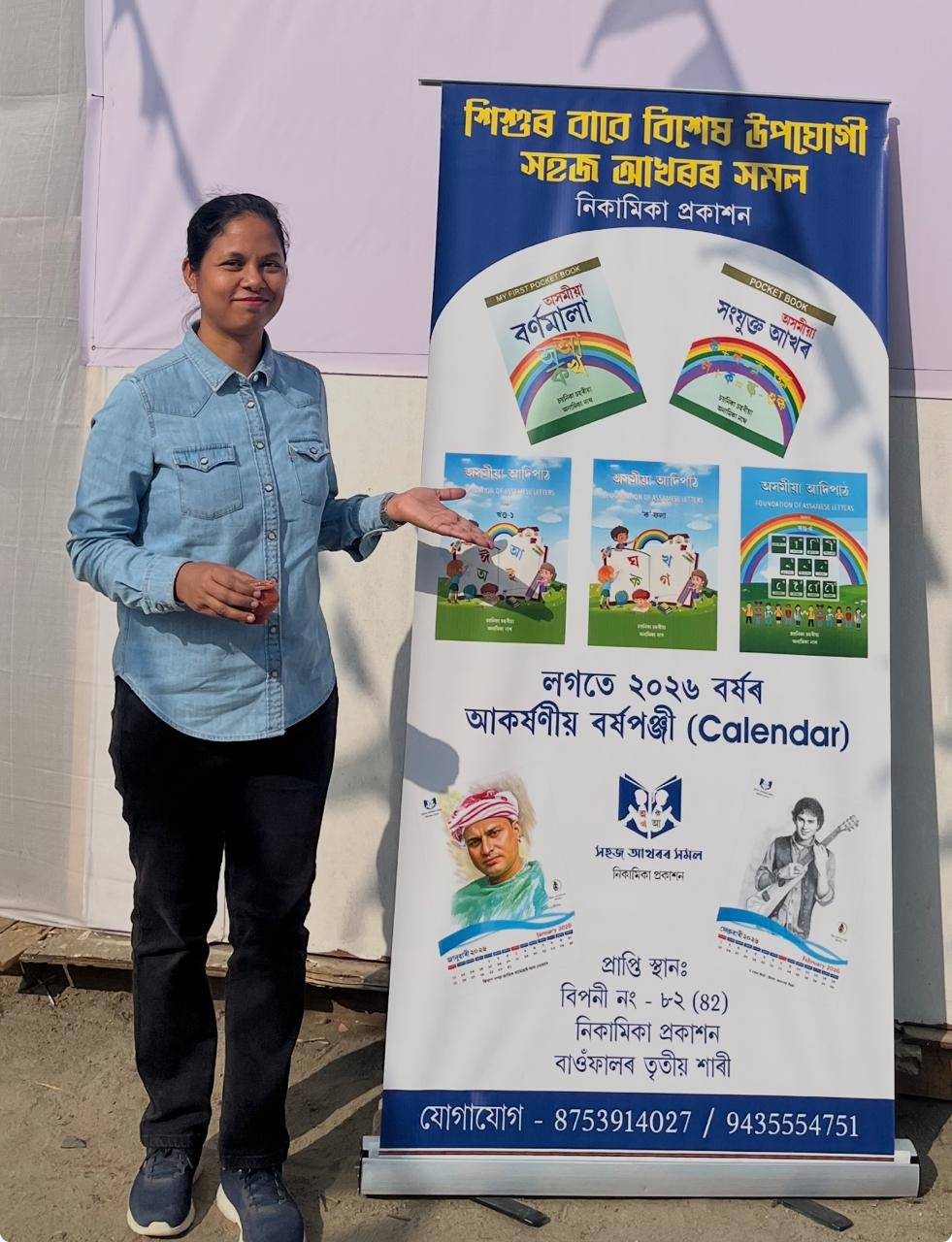
Foundational volumes introduce every Assamese vowel, consonant, and sign—including the unique signs of Mahapurush Srimanta Sankardev's Kartala Kamala—with meaning-bearing example words, vivid illustrations, and English parallels for easy understanding.
-
Our fifth volume teaches simple sentence construction without relying on complex compound letters like ৰেফ, ৰ-কাৰ, or য-কাৰ—ensuring children build confidence step by step.
-
Our sixth volume breaks new ground: a comprehensive, visually engaging guide to 101 compound letters—the first of its kind in Assamese publishing history.
Every page is crafted so a child can pick it up, understand it independently, and fall a little more in love with their language.
The Road Ahead
Our journey has not been easy. We have faced skepticism at every turn—"Why such high prices for children's books?" "Will learning Assamese put food on the table?" "They already speak Assamese—why bother teaching it formally?"
But we have also seen the other side: the growing indifference of our youth toward Assamese literature, the book fairs where young people eagerly browse English novels while Assamese titles gather dust, the reality that many can decode Assamese letters but never truly internalize what they read.
We remain undeterred.
Our mission is clear: to introduce every child to the Assamese language from the very beginning, to help them build a strong foundation in their mother tongue, and to ensure they can one day read Assam's great literary works, browse Assamese newspapers with ease, and express their deepest thoughts in the language their hearts speak.
We believe that personality development requires knowing multiple languages—but that growth must begin at home, in the mother tongue. A child's early years should not be confined to 26 English letters when their linguistic heritage holds so much more.